What makes a High-Performance CBRN Filtration System?
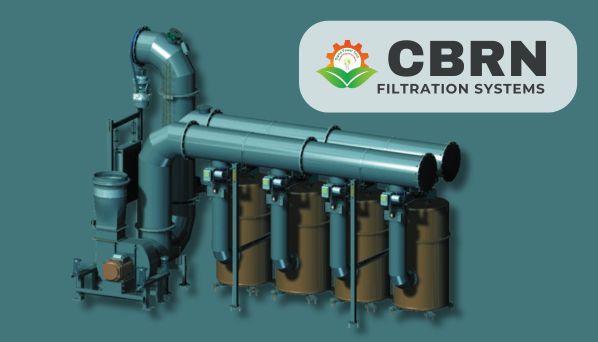
A government emergency operations centre receives an alert about hazardous airborne contamination following an incident at a nearby chemical facility. As external air intakes are isolated, the building's protected ventilation system automatically activates, maintaining clean air and positive pressure throughout the shelter. In situations where exposure to nuclear, biological, or chemical hazards is possible, the performance of the filtration system becomes a critical factor in protecting both personnel and essential operations.
A CBRN Filtration System is designed to provide this level of protection by combining advanced filtration technologies with engineered airflow control. Whether installed in military shelters, industrial facilities, nuclear plants, or strategic infrastructure, a high-performance system must deliver reliable contamination control under demanding operating conditions. Understanding the characteristics that define these systems helps facility owners make informed engineering decisions rather than relying solely on product specifications.
Why a High-Performance CBRN Filtration System Matters
A CBRN Filtration System is far more sophisticated than a conventional air filtration unit. It is engineered to remove radioactive particles, biological contaminants, toxic industrial chemicals, and chemical warfare agents while maintaining a controlled indoor environment.
Its effectiveness depends on integrating multiple technologies rather than relying on a single filter stage. Air purification, contaminant removal, positive pressure protection, and continuous environmental monitoring work together to ensure occupant safety during contamination events.
For a detailed technical overview of filtration design and contamination control, the engineering concepts behind a modern CBRN Filtration System illustrate how layered protection supports critical infrastructure.
How Multi-Stage Filtration Delivers Reliable Protection
A high-performance system treats incoming air through a sequence of specialized filtration stages.
The process typically includes:
Pre-filters that capture coarse airborne particles
HEPA filters that remove radioactive dust and biological aerosols
Activated carbon filtration that adsorbs toxic gases and chemical warfare agents
Positive pressure ventilation that prevents contaminated outdoor air from entering protected spaces
Environmental monitoring systems that continuously evaluate operating conditions
Each stage complements the next, providing comprehensive protection against a broad range of airborne hazards.
Essential Features of a High-Performance System
Performance is determined by more than filtration efficiency alone. Modern systems incorporate several engineering features that improve reliability, maintainability, and operational resilience.
Key characteristics include:
High-efficiency HEPA filtration
Activated carbon filtration for toxic gas adsorption
Biological contaminant protection
Radioactive particle filtration
Positive pressure operation
Corrosion-resistant construction
Continuous air monitoring compatibility
Modular system architecture
Low maintenance requirements
Long operational service life
Energy-efficient airflow management
Reliable emergency operating capability
These features help maintain safe indoor conditions even during prolonged contamination events.
Airflow Engineering Is Just as Important as Filtration
Even the most advanced filter media cannot compensate for poor airflow design.
A high-performance system must provide sufficient airflow to maintain breathable air while preserving positive internal pressure. Engineers evaluate factors such as shelter occupancy, leakage rates, protected volume, ventilation demand, and emergency operating conditions before determining system capacity.
This integrated approach ensures that filtered air reaches every occupied area without creating pressure imbalances that could allow contaminated air to enter.
Applications Across Critical Infrastructure
High-performance CBRN filtration systems protect a wide range of facilities where operational continuity and personnel safety are essential.
Common applications include:
Military shelters
Defence installations
Command and control centres
Underground bunkers
Ammunition storage facilities
Nuclear power plants
Chemical processing plants
Petrochemical facilities
Government security buildings
Emergency shelters
Strategic infrastructure
Data centres
Critical industrial facilities
Although operational environments vary, the engineering objective remains consistent: maintaining contamination-free indoor air during hazardous events.
Engineering Factors That Determine Long-Term Performance
System selection should always be based on operational requirements rather than product brochures alone.
Important evaluation factors include:
Threat assessment requirements
Airflow capacity calculations
Filtration efficiency standards
Contaminant protection levels
Shelter occupancy requirements
Facility size and layout
Environmental operating conditions
Compliance with defence and industrial standards
Installation complexity
Monitoring and automation systems
Preventive maintenance planning
Lifecycle operating costs
While many buyers initially compare NBC air filtration system price or NBC Filtration System in Faridabad Price, long-term engineering value depends on system reliability, maintainability, and verified performance.
Choosing the Right Manufacturer
Manufacturer expertise significantly influences the quality and reliability of any filtration system.
When evaluating the Top CBRN Filtration System manufacturers in India or the Top NBC filtration system manufacturers in India, buyers should examine technical capability instead of marketing claims.
Key evaluation criteria include:
Experience in defence and industrial engineering
Manufacturing capabilities
Product testing and validation procedures
Compliance certifications
Customization options
Technical documentation
Installation assistance
Preventive maintenance support
Spare parts availability
Proven long-term operational reliability
Manufacturers with extensive engineering experience are generally better positioned to deliver solutions tailored to complex facility requirements.
Common Mistakes That Affect System Performance
Several avoidable decisions reduce overall system effectiveness.
These include:
Selecting an nbc filter system without conducting a detailed threat assessment
Ignoring airflow engineering calculations
Underestimating filtration efficiency requirements
Choosing equipment based solely on purchase cost
Neglecting preventive maintenance planning
Overlooking compliance standards
Ignoring shelter pressurization requirements
Failing to consider future expansion
Delaying filter replacement schedules
Inadequate testing and commissioning after installation
Preventing these mistakes helps preserve system performance throughout its operational life.
Conclusion
A high-performance CBRN Filtration System combines advanced filtration technologies, engineered airflow management, positive pressure operation, and continuous monitoring to protect occupants from nuclear, biological, and chemical airborne hazards. Its effectiveness depends not only on filtration media but also on thoughtful engineering, validated performance, and disciplined maintenance practices.
Whether installed as an NBC filter for bunker, within a defence installation, or across critical industrial infrastructure, the right system enhances contamination control, operational reliability, and emergency preparedness. By prioritizing engineering quality, regulatory compliance, lifecycle performance, and experienced manufacturers, organizations can build resilient facilities capable of protecting both personnel and essential operations against evolving CBRN threats.
Type a comment
Latest comments
No comments so far. Be the first to comment!
Similar articles