Why Motorcycle Communities Continue to Grow Worldwide?
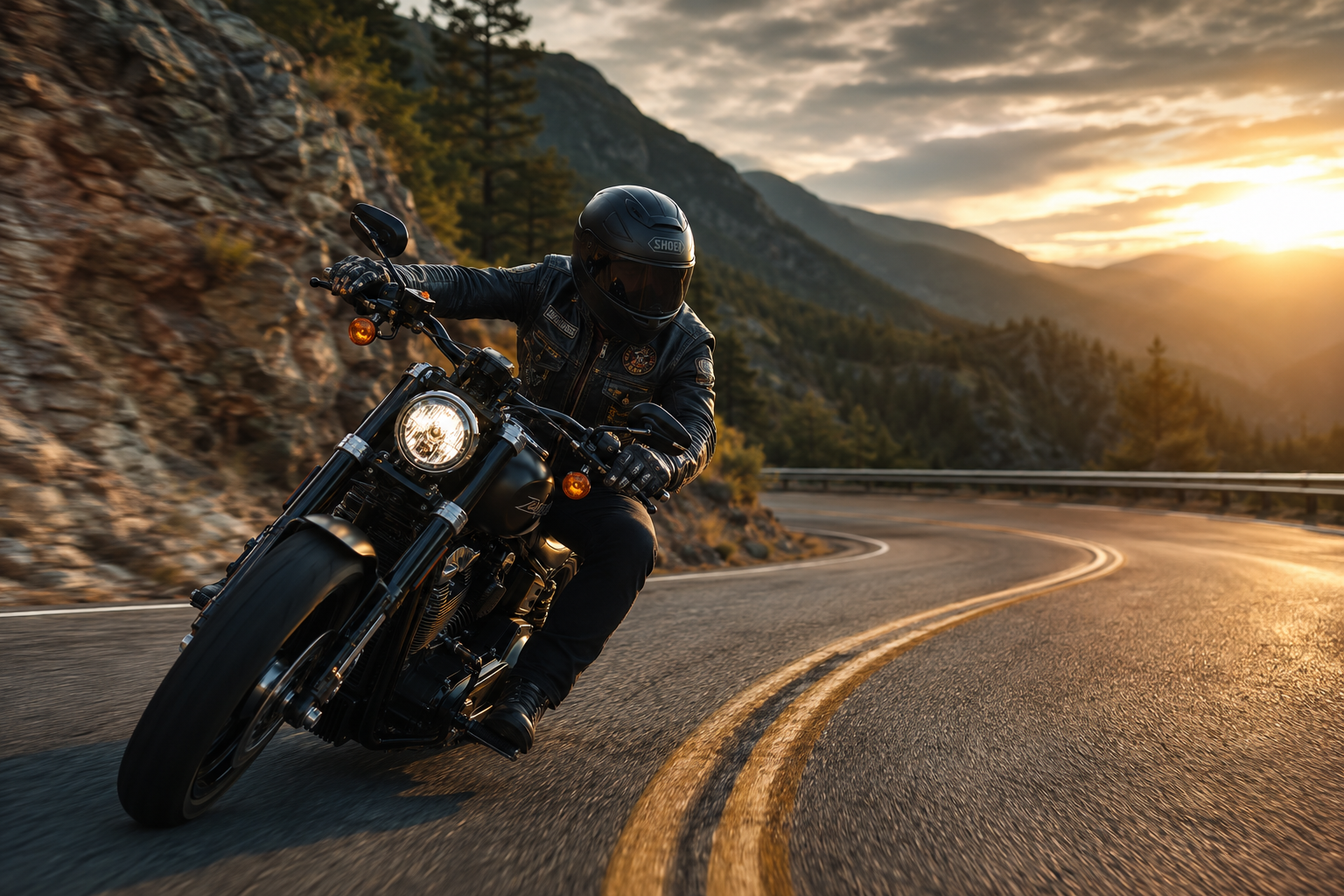
Motorcycle communities have evolved into one of the most influential and rapidly expanding social movements within the global transportation and recreational sectors. These communities unite individuals through a shared passion for riding, mechanical knowledge, adventure, personal freedom, and camaraderie. From local riding clubs to international organizations, motorcycle groups continue to attract new participants across diverse age groups, professions, and cultural backgrounds.
The continued growth of motorcycle communities is significant because it reflects broader trends in mobility, social networking, lifestyle preferences, and consumer behavior. Motorcycling is no longer viewed solely as a mode of transportation; it has become a lifestyle supported by specialized riding gear, safety innovations, organized events, charitable initiatives, and digital communication platforms.
As participation expands globally, demand for protective equipment such as Men's Leather Riding Jackets, Men's Motorcycle Club Vests, and advanced helmet technologies has also increased. Understanding why motorcycle communities continue to grow worldwide provides valuable insights into modern riding culture, industry development, and the social dynamics that drive long-term engagement.
The Global Expansion of Motorcycle Culture
Historical Evolution of Motorcycle Communities
Motorcycle communities have existed for more than a century. Early motorcycle clubs emerged alongside the growth of motorcycle manufacturing during the early twentieth century. As motorcycles became more reliable and affordable, riders naturally formed groups centered around shared interests and riding experiences.
Over time, these communities evolved from small local clubs into international networks supported by organized events, rallies, social media platforms, and industry sponsorships. Modern riders can connect with fellow enthusiasts regardless of geographic location, contributing significantly to community growth.
Motorcycling as a Lifestyle Rather Than Transportation
One of the primary drivers behind community expansion is the transformation of motorcycling into a lifestyle choice. Many riders view motorcycle ownership as an expression of personal identity rather than simply a transportation solution.
Lifestyle-oriented riders often participate in:
Group rides
Charity events
Motorcycle rallies
Touring expeditions
Club memberships
Riding education programs
These activities foster strong social bonds that encourage long-term involvement and attract new participants.
The Psychological Appeal of Motorcycle Communities
Sense of Belonging
Human beings naturally seek social connections and shared experiences. Motorcycle communities provide a strong sense of belonging that transcends age, occupation, nationality, and socioeconomic background.
The shared experience of riding creates a unique social bond among participants. Members often describe motorcycle groups as extended families that provide support, mentorship, and friendship.
Identity and Self-Expression
Motorcycling offers opportunities for individual expression through motorcycle customization, riding styles, apparel choices, and club affiliations.
Items such as Men's Motorcycle Club Vests often serve as symbols of membership, tradition, and collective identity within organized riding groups. These visual identifiers help strengthen community cohesion and foster a sense of pride among members.
Adventure and Exploration
Motorcycles offer a level of environmental engagement that differs significantly from enclosed vehicles. Riders experience landscapes, weather conditions, and road environments more directly, creating memorable experiences that strengthen emotional connections to riding culture.
Adventure-oriented experiences frequently encourage riders to join communities where they can share routes, travel stories, and riding expertise.
The Role of Safety Awareness in Community Growth
Increased Focus on Rider Protection
Historically, safety concerns were considered a major barrier to motorcycle adoption. However, advances in protective equipment have significantly improved rider safety and confidence.
Modern riding communities actively promote responsible riding practices and encourage the use of protective gear. Educational campaigns frequently emphasize the importance of proper helmets, protective jackets, gloves, boots, and visibility-enhancing equipment.
One example is the growing popularity of DOT Safety Motorcycle Helmets, which comply with established safety standards and provide riders with increased protection during daily commuting and long-distance touring.
Rider Training Programs
Many motorcycle organizations partner with rider education programs to improve skill development and reduce accident risks.
Common training areas include:
Defensive riding techniques
Hazard recognition
Emergency braking
Cornering fundamentals
Group riding protocols
These educational initiatives create safer riding environments and encourage long-term participation within motorcycle communities.
Technology's Influence on Community Expansion
Social Media Connectivity
Digital platforms have dramatically changed how motorcycle communities interact. Riders can now share experiences, organize events, discuss maintenance practices, and exchange safety information instantly.
Online communities help newcomers overcome barriers to entry by providing access to experienced riders and educational resources.
Navigation and Touring Technology
Modern GPS systems, smartphone applications, and ride-planning software have made motorcycle touring more accessible than ever.
These technologies support:
Route planning
Group ride coordination
Weather monitoring
Fuel management
Emergency communication
Enhanced convenience encourages more riders to participate in community-based touring activities.
Advanced Riding Equipment
The motorcycle apparel industry continues to develop innovative protective solutions. Features such as impact armor, abrasion-resistant textiles, moisture management systems, and integrated communication devices have improved rider comfort and safety.
As a result, products such as Men's Leather Riding Jackets remain highly valued because they combine protection, durability, weather resistance, and classic styling.
Economic Factors Supporting Community Growth
Affordable Entry Points
Compared with many recreational vehicles, motorcycles often represent a relatively affordable means of accessing adventure travel and motorsports culture.
The availability of motorcycles across multiple price categories allows individuals with varying budgets to participate.
Fuel Efficiency Advantages
In many regions, motorcycles offer superior fuel economy compared to larger passenger vehicles. Rising fuel costs have encouraged consumers to consider motorcycles as practical transportation alternatives.
This increased adoption naturally contributes to the growth of local and regional motorcycle communities.
Expanding Motorcycle Tourism
Motorcycle tourism has become a significant economic sector. Organized tours, destination rallies, scenic riding routes, and motorcycle-focused hospitality services attract riders worldwide.
Popular riding destinations often develop thriving local communities that support both tourism and long-term rider engagement.
Community Events and Their Impact
Motorcycle Rallies
Large-scale rallies create opportunities for riders to connect, exchange knowledge, and celebrate motorcycle culture.
These events often feature:
Vendor exhibitions
Safety demonstrations
Charity rides
Live entertainment
Technical workshops
Participation in rallies frequently strengthens rider commitment and encourages continued community involvement.
Charity and Community Service Initiatives
Many motorcycle organizations actively support charitable causes. Fundraising rides, veteran support programs, disaster relief efforts, and youth outreach initiatives have helped improve public perceptions of motorcycle communities.
These activities demonstrate the social value and civic engagement of motorcycle organizations.
Challenges Facing Motorcycle Communities
Safety Perceptions
Despite significant advancements in rider education and protective equipment, public concerns regarding motorcycle safety remain a challenge.
Communities must continue promoting responsible riding behaviors and safety-focused education.
Regulatory Changes
Licensing requirements, emissions regulations, and urban transportation policies can influence motorcycle ownership and community participation.
Organizations frequently advocate for policies that balance rider interests with public safety objectives.
Generational Transition
Attracting younger riders remains an important priority for many established organizations. Fortunately, growing interest in adventure riding, urban mobility solutions, and digital communities has helped introduce new demographics to motorcycle culture.
Expert Insights and Best Practices for Sustaining Motorcycle Communities
Prioritize Safety Culture
Successful motorcycle communities consistently place rider safety at the center of their activities. Establishing clear riding protocols and encouraging protective equipment usage helps create sustainable growth.
Promote Inclusivity
Communities that welcome riders from diverse backgrounds tend to experience stronger membership growth and long-term engagement.
Encourage Mentorship
Experienced riders play a crucial role in developing the next generation of enthusiasts. Structured mentorship programs help newcomers gain confidence while reducing avoidable risks.
Leverage Digital Platforms
Combining in-person activities with online engagement allows communities to maintain continuous interaction, recruit new members, and share educational content effectively.
Support Local Events
Frequent local rides and community gatherings strengthen relationships and create accessible entry points for prospective members.
Common Mistakes and Misconceptions
Misconception: Motorcycle Communities Are Exclusively Social Clubs
While social interaction is important, many communities focus heavily on safety education, charity work, advocacy, technical knowledge, and rider development.
Misconception: Only Experienced Riders Are Welcome
Most established organizations actively encourage beginner participation and provide educational resources to support new riders.
Misconception: Protective Gear Is Optional
Responsible communities strongly advocate comprehensive protective equipment and emphasize its role in reducing injury severity.
Misconception: Motorcycle Culture Is Declining
Industry data, increased event participation, growing motorcycle tourism, and expanding online communities indicate continued global growth across many segments.
Conclusion
Motorcycle communities continue to grow worldwide because they provide far more than opportunities for riding. They offer social connection, personal identity, adventure, education, mentorship, and shared experiences that resonate across cultures and generations. Advances in safety equipment, digital communication technologies, rider training programs, and motorcycle tourism have further strengthened community participation and accessibility.
As the global motorcycle industry continues to evolve, communities will remain central to rider engagement and culture. Organizations that prioritize safety, inclusivity, education, and responsible riding practices are positioned to sustain growth and create lasting value for current and future generations of motorcyclists.
FAQs
Why are motorcycle communities growing faster in some regions than others?
Growth rates vary due to factors such as economic conditions, transportation needs, motorcycle affordability, tourism development, infrastructure quality, and cultural acceptance of motorcycling.
How do motorcycle communities benefit new riders?
New riders gain access to mentorship, safety education, route recommendations, maintenance advice, and social support that can accelerate skill development and confidence.
What role does social media play in motorcycle community growth?
Social media enables riders to connect globally, organize events, share educational resources, and maintain engagement between physical gatherings.
Are motorcycle clubs the same as motorcycle communities?
No. Motorcycle clubs represent one segment of the broader motorcycle community. Communities also include informal riding groups, touring organizations, online forums, advocacy groups, and educational organizations.
Why is protective gear emphasized so strongly within motorcycle communities?
Protective equipment helps reduce injury severity and supports safer riding practices. Safety-focused communities view proper gear as an essential component of responsible motorcycling.
How do community rides improve rider skills?
Group rides expose participants to experienced riders, structured riding formations, route planning techniques, and real-world traffic management strategies.
What attracts younger generations to motorcycle culture?
Adventure travel opportunities, personal freedom, affordable transportation, social networking, and modern motorcycle technology are major factors attracting younger riders.
How do motorcycle communities contribute to local economies?
Communities generate spending through tourism, lodging, restaurants, fuel purchases, equipment sales, motorcycle maintenance services, and organized events.
Are motorcycle communities becoming more inclusive?
Many organizations actively encourage participation from diverse age groups, genders, ethnic backgrounds, and riding experience levels, contributing to broader community growth.
What factors are most important for sustaining long-term community growth?
Safety education, mentorship, inclusivity, digital engagement, local event participation, and strong organizational leadership are among the most important factors.
Type a comment
Latest comments
No comments so far. Be the first to comment!
Similar articles