Is Boxing a Martial Art? The Truth Every Fighter Should Know
One of the most common questions people ask when they start training is, is boxing a martial art? Some say it is, while others think martial arts only include styles with kicks, grappling, uniforms, or belt systems. Truth be told, things are less complicated than they seem. Built on hitting, avoiding hits, footwork, thinking ahead, and fitness, boxing shapes how fighters operate. Learning to defend while moving with intent comes from repeated practice over time. Focusing only on fists does not make it any less of a fighting art. Purpose drives each motion, which makes it stand out as one clear example of what martial arts can be.
What Makes a Martial Art
What makes something a martial art? Start by looking at its roots - fighting forms built for real conflict, protection, war, or contests. Each society shaped its own way of striking or moving depending on circumstance, yet all aimed toward one aim: mastering how to fight well. From sudden bursts to guarded counters, balance shifts, reading space, building stamina, and choosing moves under pressure - that’s where boxing fits in. Years pass as fighters shape their abilities, one repeat after another. Boxers belong there, inside the core idea of martial arts, when seen for what it truly is.
The Long History Behind Boxing
Thousands of years ago, people began fighting with their fists, forming what we now call boxing. From Egypt to Greece, old records show matches took place under different suns. Long before karate or judo appeared, boxers clashed in the original Olympic Games. As centuries passed, regulations shifted, gloves got better, practice grew smarter - yet the heart of the sport barely changed. Battle after battle, fighters have measured strength, precision, rhythm, even breath under pressure. This long past pours weight into the sport - rare among fighting forms.

Some See Boxing Outside Traditional Martial Arts
Some folks pause before calling boxing a martial art, mostly due to old habits and how they see it. Not wearing robes or bowing at the start makes it feel less like what others picture as traditional combat practice. Instead of belts or katas, boxers drill punches, dodge hooks, and push stamina through rounds. That lack of ceremony leads certain minds to label it just another contest between athletes. Still, take judo - it has tournaments too, yet holds full status without debate. Even taekwondo mixes competition with deep roots, showing sport and discipline aren’t mutually exclusive. Even when structured into tournaments, a practice can still be a martial art. Though showcased as sport, boxing holds deep roots in skilled fighting methods.
The Hidden Details of Boxing Newcomers Often Overlook
Boxing looks straightforward when watched casually, since fists flying tend to catch the eye. Yet stepping into training reveals layers most never expected. Foot placement matters just as much as a well-timed jab; slipping a punch involves tilt, shift, instead of pure speed. Angles open space where none seemed possible - controlled by balance more than strength. Sharp reflexes matter less without knowing what comes next. Fighters at the top tweak stances mid-second, movements so subtle they vanish in replay. Strategy breathes through every pause between blows. Few arts demand such precision while moving forward under pressure. Because of this, athletes from distant disciplines study it like scripture. What seems basic holds depths few ever reach.
Boxing Shapes Discipline and Character
Boxing builds things beyond just strength or speed. Discipline shows up quietly, day after day, shaped by routine and stubborn commitment. In the gym, ego fades fast - growth happens slowly, fueled by sweat instead of talk. Pushing past tired muscles becomes normal, even when results seem invisible. Pressure turns into practice, each round teaching someone how to hold steady when everything gets loud. Over time, that quiet grind shapes decisions at home, at work, at night before sleep. Confidence grows without notice, rooted in having stuck with something difficult. Mental toughness isn’t borrowed - it’s earned, one session at a time.
Best boxing equipment makes a difference
Even beginners notice a difference when their gear works well. When gloves fit right, hands stay safe during long sessions. Worn-out padding disappears fast if the material is weak. Solid hand wraps hold wrists steady, especially mid-drill. Training feels smoother when nothing digs or slips. Fighters move sharper once they stop doubting their kit. Trust builds slowly - each round adds up. A solid bag stand won’t wobble after three hits. Over time, small flaws cause bigger problems. Strong stitching means less frustration later. Confidence grows quietly when gear just does its job. Long hours mean little if recovery takes longer than work. Smart picks today cut headaches tomorrow. Reliability matters most when sweat soaks through. The body learns faster without distractions pulling focus.

Basic boxing gear every fighter uses
Starting out, each boxer needs basic gear to train safely plus effectively. Gloves matter first - good ones guard your hands and lessen shock when hitting. Wraps underneath add stability to wrists along with tiny hand bones. A snug mouthpiece guards teeth when practicing with a partner. Later on, some pick up skipping ropes, punching bags, specialized footwear, or target pads. Top-notch doesn’t mean priciest - it means long-lasting, fits well, keeps you protected.
Best boxing gear for your goals
Choosing what gear fits best ties closely to personal aims in training. A person focused on staying fit might value ease of movement along with adaptability more than anything else. Fighters prepping for matches usually need specific types of gloves, tools for practice rounds, alongside safety-focused items. Those using a setup at home tend to look first at long-lasting punching bags and supporting tools. Looking into models, checking feedback from buyers, then talking with seasoned trainers helps prevent expensive errors. Because tastes differ widely between individuals, picking ideal boxing supplies means weighing how well something works against its cost, build, feel, and suitability.
How boxing shaped today’s fighting sports
Boxing stands out when you look at today’s fight styles. Fighters from mixed martial arts to kickboxing often pull moves straight from the sweet science since sharp punches, staying alert on defense, and smart steps matter everywhere. Those who mostly wrestle still train with gloves because hitting teaches how to move fast when things get tense. Across different arenas people keep using these basics - a sign they work well. Its role in top-tier combat circles only grows, showing why it earns such strong regard.
The Mindset Behind Top Boxing Performances
Success in boxing goes beyond just physical training. Yet strength alone won’t carry a fighter through every round. Staying cool during intense moments matters just as much - sometimes more. Quick thinking, adjusting on the fly, keeping attention sharp even when tired - all essential. Pressure builds fast; learning to move past fear comes with practice. Emotional balance grows through repetition, not luck. Strategy shapes actions before instinct takes over. Calmness under stress doesn’t appear overnight - it forms slowly. Many old-school disciplines value these traits too. Discipline, awareness, patience - built match after match. Skills forged this way last far longer than muscle memory. Life outside the gym benefits just like performance inside it. Resilience shows up where you least expect it. Thoughtful reactions beat raw reaction time again and again. The mind trains quietly, away from lights and crowds.
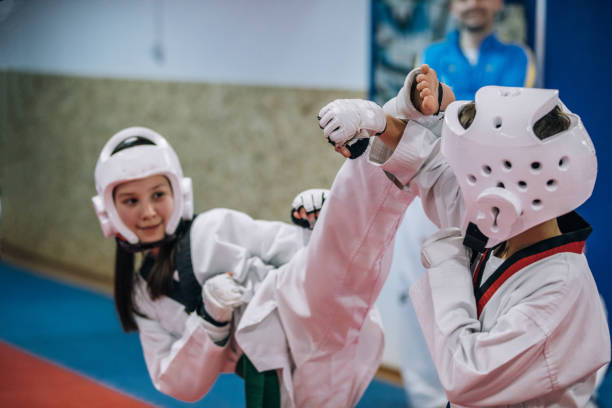
Boxing As A Martial Art Final Answer?
Boxing stands firm as a martial art once you look at where it came from, how intricate the techniques are, how well it works in real fights, and what it does for personal growth. Even if it lacks some customs found in styles like karate, kung fu, or taekwondo, skill under pressure grows here - through repeated training, mental focus, physical control, and constant effort to do better. Those qualities sit at the heart of every respected martial art. Whether your goal is fitness, competition, self-defense, or personal growth, boxing offers a proven path toward becoming stronger both physically and mentally. If you're ready to take your training seriously, invest in the best boxing equipment and start building your skills the right way.
FAQs
Is boxing a martial art or a sport?
Boxing is both a martial art and a combat sport. It teaches structured fighting skills while also being practiced competitively worldwide.
Why is boxing considered a martial art?
Boxing is considered a martial art because it develops combat techniques, discipline, strategy, physical conditioning, and self-defense skills.
What is the best boxing equipment for beginners?
Beginners should start with quality boxing gloves, hand wraps, a mouthguard, and access to basic training equipment such as a heavy bag.
Does boxing help with self-defense?
Yes, boxing improves striking ability, footwork, awareness, reaction time, and confidence, all of which are useful in self-defense situations.
How often should boxing equipment be replaced?
Replacement depends on usage, but gloves, wraps, and protective gear should be inspected regularly and replaced when signs of wear begin affecting performance or safety.
Type a comment
Latest comments
No comments so far. Be the first to comment!
Similar articles