Transform Old Brick Surfaces With Smart Coloring And Fungi Protection
A lot of people think bricks coloring is only about changing the look of a building. Truth is, it goes deeper than that. A fresh coat on bricks might bring dull walls back to life, cover up decades of grime, yet still keep every original piece intact. Old houses, once looking worn down, have stood out bright again following the correct hue. This shift does not come from tricks. It comes from choosing suitable materials plus knowing how brick behaves over time.
The Hidden Issue Many Brick Homeowners Overlook
Water sneaks in, even when you do not notice. Brick holds up well under pressure. Still, it breathes, letting grime slip through tiny openings. After a while, greenish spots appear where shade stays longest. These patches creep along edges, fed by humidity trapped behind gutters. People pass them off as normal wear until streaks darken near foundations. Once spores take root, cleaning gets harder without proper tools. Spots of darkness appear, scattered at first. Months pass - suddenly the whole surface seems worn, dull, taken over.
Fungi Slowly Harm Brick and Stone
Mold on walls might look like only a surface flaw. Yet underneath, dampness sticks around longer than expected. This lingering wetness eats away at the spaces between bricks over time. A quick wipe often seems enough for some folks. Back it creeps again. Tiny spores wait out of sight, tucked deep within microscopic gaps. A good Fungi Remover steps in right here. Not just wiping the top layer, it works further down instead.
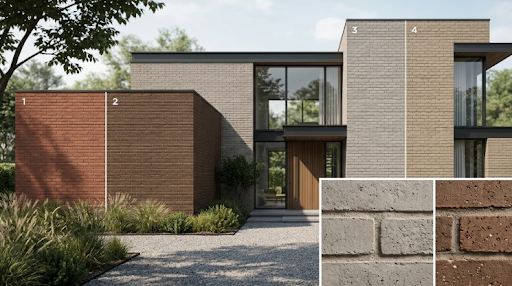
Using Fungus Cleaner on Brick Before Paint
Trouble usually starts when people skip cleaning and go straight to coloring bricks. Hidden mold keeps spreading under new coatings if left behind. Always begin with a strong cleaner made for killing fungus. Get rid of every trace of gunk before moving forward. Wait until the wall feels fully dry to the touch. Start by adding color next. True, it demands extra time - yet leaping past it often brings messier fixes down the road.
Modern Brick Color Methods
Bricks today come in shades once unheard of, far from the days of basic paint jobs. Moisture gets stuck when old-style coatings form a seal across brick faces. Unlike those, newer mineral-based tints slip deep into the material rather than resting above it. These updated methods let walls breathe while holding color within. Because of this, the brick keeps its original feel and ability to let air pass through. What you see in the end tends to appear much truer to life, especially when keeping a building's unique look is the goal.
Breathability Is Often Overlooked But Important
Some folks tune out when they see “breathable.” Yet brick has its own rhythm - soaking up dampness, then letting it go. When that flow stops, trouble gathers unseen. Moisture moves through masonry like breath; trap it, and things begin to break down. Moisture stuck inside often leads to peeling, bubbles, or cracks forming later. Good color treatments support brickwork instead of fighting it. Letting air move through matters most. Easy to say - just as easy to do.
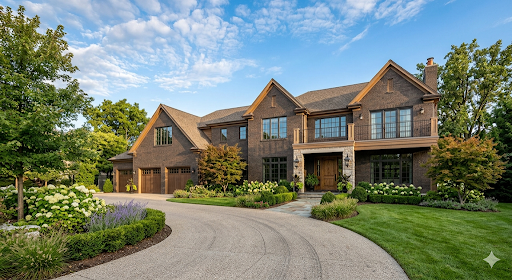
Why Some Homeowners Change Brick Color
A single brick facade might look fine but still feel out of place. When shades clash with new siding, change becomes practical. Some houses shift from rusty reds to warm grays without structural issues. Business buildings sometimes trade dated hues for cleaner visuals. Matching old patches to fresh mortar can push someone toward full transformation. Painting bricks lets you change their look without tearing everything out. This option’s grown common lately because it saves time, money too.
Clean Masonry Affects How Colors Look
Truth be told, colors stick best when applied to spotless areas. This isn’t some sales pitch - it just works that way. Grime, mold, algae, or any living buildup blocks contact between paint and wall. If you apply a Mold Killer the right way, things hold up longer. A bare surface tends to mean even tones and solid grip. Looks turn out cleaner most of the time. Simple math.
Avoiding Costly DIY Repair Mistakes
Saving cash on do-it-yourself jobs? It happens. Not always though. With brickwork, cutting corners shows up fast. Some folks pour laundry bleach where real mold killer should go. Wet walls get painted anyway. Test patches never happen. That is when patchy finishes start making sense. Out of nowhere, brick shows up plain - but each face drinks water at its own pace. Spending extra minutes upfront decides if things hold strong or crumble fast.
Bricks Coloring With Fungi Removal Over Time
Most folks notice how things look first. Yet once moisture stays out, fewer moss patches take hold over time. A steady routine keeps surfaces even instead of patchy. Value climbs quietly when upkeep shows through clean lines. First impressions stick around longer if the outside holds up under rain or sun. Uniform results come from consistent care rather than quick fixes. Brick isn’t only judged by looks. What matters more is how well it holds up through years of weather and wear.
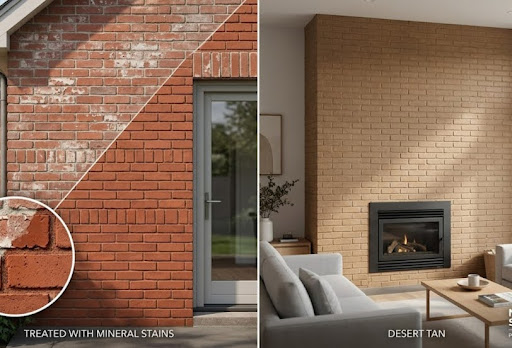
Maintaining Colored Brick After Treatment
After you finish coloring, upkeep gets simpler. Spot checks every so often catch fungus early, stopping it from moving further. Instead of blasting surfaces hard, soft cleaning does a better job most times. When patches of moss or mold show up, using the right remover at once keeps things under control. Fixing tiny spots today means fewer big repairs tomorrow.
Build With Better Bricks From The Beginning
Though brick lasts a long time, it still demands proper attention. How well it holds up often depends on maintenance. Combining professional bricks coloring solutions with a reliable Fungi Remover creates a strong foundation for both appearance and longevity. Whether you're restoring an older property, modernizing a commercial building, or simply protecting your investment, the right products make all the difference. Visit Mineral Stains to start your brick transformation with proven masonry solutions designed for lasting results.
FAQs About Bricks Coloring And Fungi Remover
What is bricks coloring?
Bricks coloring is the process of changing or enhancing the appearance of brick surfaces using specialized masonry stains, mineral coatings, or color treatments that maintain the natural look of the brick.
Why should I use a Fungi Remover before coloring brick?
A Fungi Remover eliminates mold, mildew, algae, and fungal growth that can interfere with color penetration, adhesion, and long-term performance.
Can fungi return after brick coloring?
If the underlying moisture issue isn't addressed, fungi can return. Proper cleaning, drying, and maintenance significantly reduce the chances of regrowth.
Is bricks coloring better than painting brick?
In many cases, yes. Breathable brick coloring systems allow moisture vapor to escape while maintaining a natural masonry appearance, unlike many traditional paints.
How long does brick coloring last?
High-quality masonry coloring systems can last for many years when properly applied and maintained. Durability depends on product quality, climate, and surface preparation.
Can a Fungi Remover damage brick surfaces?
Professional masonry-safe Fungi Remover products are designed to clean biological growth without harming brick or mortar when used according to instructions.
Type a comment
Latest comments
No comments so far. Be the first to comment!
Similar articles